١٨ مارس ٢٠٢٦ · 4 min read


١٨ مارس ٢٠٢٦ · 4 min read
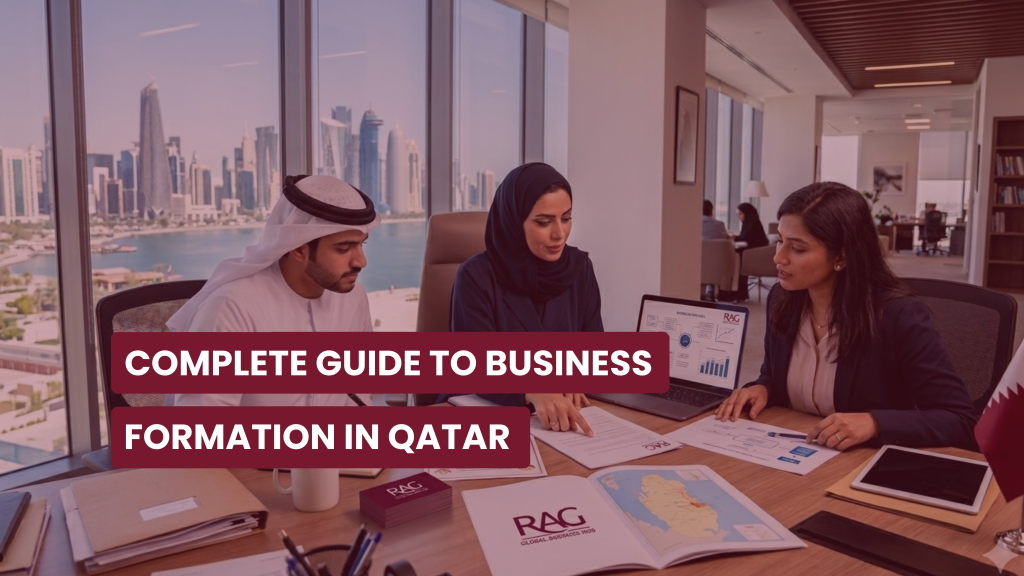
If you speak to business owners who already operate in the Gulf, one country keeps coming up in conversations — Qatar. Some discover the opportunity through industry contacts, while others notice how much the country has evolved over the past decade. Infrastructure has expanded quickly, international events brought global attention, and new sectors are developing alongside traditional industries like energy and construction.
Because of this, many entrepreneurs begin researching business formation in Qatar. At first, the process can feel confusing due to multiple authorities, company structures, and licensing requirements. However, once you understand the system, the process becomes clear and structured.
Qatar’s economic influence is significant despite its size. The government has invested heavily in infrastructure, logistics, and transportation. With long-term planning under Qatar National Vision 2030, the country is diversifying into technology, services, and global trade.
For investors, Qatar offers long-term growth potential and regional access.
Choosing the right structure is one of the most important steps in business formation in Qatar. The most common type is a Limited Liability Company (LLC), allowing businesses to operate locally. Traditionally, LLCs require a Qatari partner, but some sectors now allow full foreign ownership.
Selecting the right structure depends on your business activity and expansion goals.
Every company must register under an approved business activity. This determines licensing and approvals. Choosing the wrong activity can lead to issues with banking, invoicing, and compliance later.
Clarity at this stage saves time and prevents operational problems.
The next step is reserving a unique trade name approved by authorities. Once accepted, initial approvals confirm the company can proceed with registration.
This stage is straightforward with proper documentation.
A registered office is mandatory for business formation in Qatar. The office size may impact visa approvals and operational capacity.
Office selection plays a key role in the setup process.
Once documentation is finalized, the company receives its Commercial Registration certificate, trade license, and Chamber of Commerce registration.
This marks the legal completion of business formation in Qatar.
Banks require thorough documentation including shareholder details, business activity, and sometimes business plans.
Proper preparation helps avoid delays in account opening.
Companies must register with tax authorities and maintain proper financial records. Corporate tax may apply to foreign-owned businesses.
Compliance is essential for long-term operations.
After registration, companies can apply for investor and employee visas. Visa approvals depend on office size and business activity.
This stage marks the transition to active business operations.
A standard LLC setup may take a few weeks, while other structures may take longer depending on approvals and documentation readiness.
Delays are usually caused by incomplete documents or banking processes.
Business formation in Qatar follows a structured and logical process. With the right preparation, entrepreneurs can establish a strong presence in a growing and stable economy.
Qatar remains one of the most promising markets for long-term business expansion in the Middle East.
Share a few details. A senior business advisor will contact you within one working day, in English or Arabic, with a clear route and a written quotation.
Tell us your activity. A senior advisor confirms the right jurisdiction and sends a written plan within one working day.
Get your setup plan