31 October 2025 · 9 min read
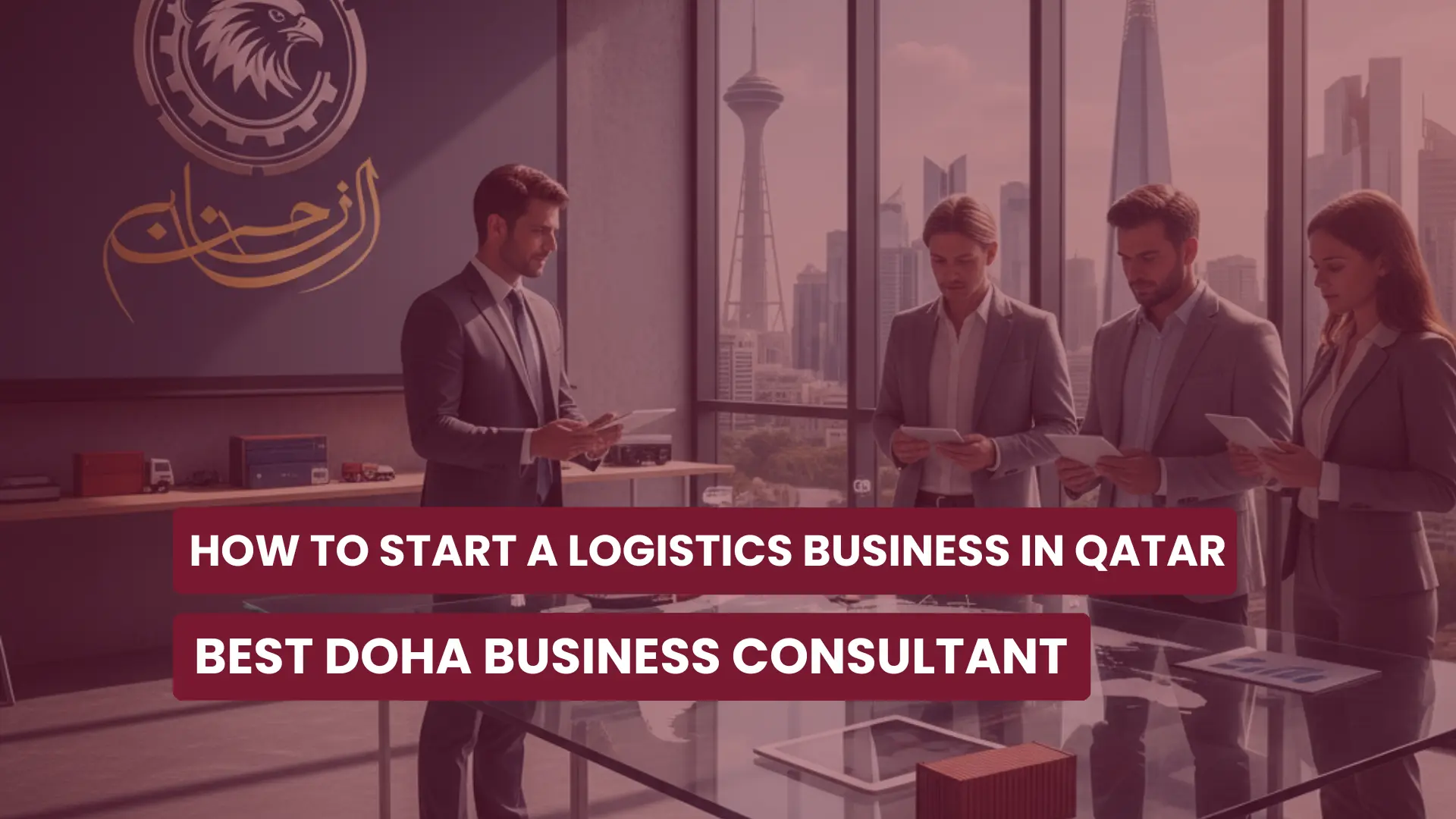
Looking to start a logistics business in Qatar? RAG Global Business Hub, the best Doha business consultant, helps foreign investors with company setup, licensing

31 October 2025 · 9 min read
Qatar is rapidly becoming one of the most appealing logistics hubs in the Middle East and beyond. With its strategic position between East and West, excellent transport infrastructure and a forward-looking regulatory regime, the country offers a compelling opportunity for foreign investors looking to launch a logistics business.
Adding further fuel to that appeal, the Qatar Free Zones Authority (QFZ) has recently opened an advanced logistics hub designed to support the transport industries. If you’re a foreign investor considering entering the logistics market in Qatar, this guide will walk you step-by-step through what you need to know: from choosing the right business structure, understanding ownership rules and licences, to leveraging the logistics infrastructure and, importantly, how working with the best Doha business consultant can accelerate your success.
Located at the crossroads of the Middle East, Africa and Asia, Qatar offers access to major trade corridors, making it a natural logistics nexus. Its modern ports, such as Hamad Port, world-class airport infrastructure and free zones further enhance its appeal. In particular, QFZ’s new logistics hub signals strong government commitment to the transport and supply-chain sectors.
For a foreign investor, the growth potential is significant. E-commerce, regional trade flows and demand for warehousing and multimodal transport are all on the rise in Qatar. This means opportunities for freight-forwarding, distribution, cold-chain logistics and more. At the same time, aligning with the best Doha business consultant gives you access to local knowledge, faster regulatory navigation, and mitigation of risks that many new entrants face.
When it comes to setting up in Qatar, you typically choose between:
Under Qatar’s Foreign Investment Law, many sectors now permit up to 100% foreign ownership subject to approval. However, in some mainland cases traditional Qatari-partner rules (e.g., 51% local partner) may still apply. It’s critical to verify for the logistics segment, since transport may have special regulation.
For many investors, setting up in a free zone such as QFZ offers distinct advantages: streamlined registration, incentives, modern logistics infrastructure and full foreign ownership in many cases. With the new QFZ logistics hub, you also benefit from proximity to major transport nodes and specialist support.
A top business consultant in Doha helps you with company formation in Qatar, guiding you to choose the right entity type, navigate licensing, select the most suitable free zone vs mainland structure, assist with leases for warehouses and facilities, and ensure compliance with transport and customs regulations. In short, they reduce friction and speed up your business launch.
Step 1: Define your logistics business model & services
Start by deciding what part of the logistics value chain you will cover: freight forwarding (sea/air/land), warehousing & distribution, cold-chain storage, customs brokerage, last-mile delivery etc. Clear definition of services helps determine the right licence category, facility requirements and investment level.
Step 2: Reserve trade name & apply for commercial registration
If you’re setting up on the mainland, register the trade name and apply via the Ministry of Commerce & Industry (MOCI). In a free-zone context like QFZ, you’ll apply via the free-zone’s investor portal. Make sure the trade name reflects your logistics activity and your foreign-investor status.
Step 3: Acquire licence and permits specific to logistics
Logistics is regulated and may involve multiple licences: general trade licence, logistics/trading activity permit, customs brokerage licence, warehousing and distribution licence etc. Confirm with the consultant which transport-specific approvals you require.
Step 4: Set up office/warehouse facility
Logistics companies rely on real estate: warehouse, storage yard, distribution centre, maybe cold-chain facility. If you set up in QFZ’s logistics hub (or a similar free zone), you’ll benefit from purpose-built infrastructure. The recently launched QFZ hub is designed for automotive/spare parts logistics, signalling the broader infrastructure readiness for complex logistics operations.
Step 5: Staff, visas, immigration, financials & operations
After incorporation you’ll need to apply for investor and employee visas, open a local bank account, register with the customs authority, set up your workforce (transport, warehouse, administration) and ensure payroll/employment rules-compliance. A reliable consultant will help you coordinate across immigration, labour and banking.
Step 6: Launch operations and build network
Now your company is legally formed, and facility secured, time to build your operational infrastructure: carriers, customs brokers, warehouse management systems, tracking systems, vendor/supplier network. You’ll also want to identify who your local partners, suppliers and clients are in Qatar/GCC and build relationships. A local consultant may already have these networks.
The impact of the new advanced logistics hub by QFZ: The QFZ has inaugurated a world-class logistics hub at Umm Al Houl Free Zone designed for vehicles and spare parts and integral to logistics and transport industries. Spanning 67,000 m² (with ~12,860 m² built up), its launch underlines Qatar’s ambition to become a regional logistics powerhouse. For a foreign-invested logistics company, this means access to top-tier infrastructure, modern warehouse amenities, proximity to port and airport infrastructure and opportunities in automotive/spare-parts and beyond.
Market demand & niche opportunities for foreign investors:
Risk & compliance to mind: As with any venture, risks exist: regulatory changes, infrastructure delays, high investment in facility and equipment, intense competition. Specific to logistics: customs procedures, transport licensing, labour compliance, health & safety standards, and local culture/business norms. Engaging an experienced consultant mitigates many of these risks.
If you’re a foreign investor looking to start a logistics company in Qatar, now is a timely moment. With government backing, modern infrastructure and the newly opened QFZ logistics hub signalling a strong push into the transport-and-supply-chain sector, the environment is ripe.
By carefully selecting your legal structure, following the step-by-step setup process, choosing the right niche and engaging the best Doha business consultant, you significantly enhance your chances of success. Take action today: define your model, select your zone, pick your consultant and move forward confidently into this dynamic market.
Q1: Can a foreign investor own 100% of a logistics company in Qatar?
Yes, in many cases, under the Foreign Investment Law and for companies set up in free-zones such as QFZ, 100% foreign ownership is possible. Always verify for the logistics category and whether mainland vs free-zone rules apply.
Q2: What types of licences do I need to start a logistics business in Qatar?
You’ll typically need a general trade or service licence from MOCI or the relevant free-zone, plus logistics-specific permits: for warehousing, transport, customs brokerage, distribution operations.
Q3: Is setting up in a free zone better than on the mainland for logistics companies?
For many foreign investors in logistics, a free zone offers significant benefits: full ownership, modern infrastructure, streamlined processes. However, if you need full access to the domestic Qatari market or local contracting, a mainland setup might still be necessary.
Q4: How long does it take to set up a logistics company in Qatar?
It depends on your chosen zone, business model, facility readiness and licensing complexity. With a capable consultant and free-zone setup, you can complete registration and licensing relatively quickly, but real operational launch (warehouse setup, staff hiring, contracts) may take several months.
Q5: What role does the new QFZ logistics hub play in my decision?
The hub is a strategic asset indicating Qatar’srive into modern logistics. As an investor, locating within or near such a hub gives you access to premium infrastructure, proximity to transport nodes (port/airport), and participation in a growing ecosystem – all of which can provide competitive advantage.
Share a few details. A senior business advisor will contact you within one working day, in English or Arabic, with a clear route and a written quotation.
Tell us your activity. A senior advisor confirms the right jurisdiction and sends a written plan within one working day.
Get your setup plan